


Door Replacement Services
Boost Security, Curb Appeal, and Comfort
Your doors do a lot more than open and close. They protect your home, help regulate indoor temperature, reduce outside noise, and make a first impression every single day. When a door is warped, drafty, sticking in the frame, or simply outdated, it can quietly raise your energy bills and lower your home’s comfort—while also making your entryway look tired.
At Matthews’ Painting Company, we provide professional Door Replacement services designed to solve the real problems homeowners deal with: poor insulation, worn hardware, water damage, frame issues, and dated curb appeal. Whether you’re upgrading to a modern fiberglass entry door, replacing a damaged slab, or planning a full Front Door Replacement with a new frame and sidelights, our team helps you make smart choices and delivers clean, reliable installation from start to finish. We also replace interior door frames and jambs when the opening is damaged, out of square, or no longer allows the door to close and latch properly.
This page walks you through the door replacement process, factors that affect Door Replacement Cost, the benefits of replacing your front door, and what to expect when you work with our crew. You’ll also find a dedicated section below for interior door frame and jamb replacement.

When Is It Time to Replace the Door?
Most homeowners don’t replace doors just because they feel like it—there’s usually a clear reason. If you’re noticing any of these issues, it might be time to consider a Door Replacement rather than repeated repairs.
Common signs you need a new door:
- Drafts or temperature swings near the entryway
- Light showing through around the edges of the door
- Sticking, rubbing, or sagging that keeps coming back
- Rot, swelling, delamination, or rust (especially near the bottom rail)
- Cracks, warping, or soft spots in wood doors
- Water intrusion after storms or heavy rain
- Outdated appearance that hurts curb appeal
- Compromised security, loose locksets, or damaged frames
- Interior doors that won’t latch, swing open on their own, or rub the jamb due to settling or frame movement
Sometimes a door can be repaired, adjusted, or refinished—especially if the structure is sound. But when the frame is out of square, the slab is warped, or moisture damage has spread, replacement is often the more cost-effective and longer-lasting solution.
Front Door Replacement: Why It’s One of the Best Home Upgrades
A Front Door Replacement is one of those rare projects that improves your home in multiple ways all at once. It’s not just a cosmetic upgrade—it can also impact comfort, security, and energy efficiency.
Better curb appeal (fast)
Your front door is a focal point. Replacing an old door with a new style—modern, craftsman, traditional, or farmhouse—can instantly refresh the entire exterior. Add decorative glass, upgraded hardware, or sidelights, and your entrance can look brand new without a full remodel.
Improved energy performance
Modern doors (mainly fiberglass and insulated steel) are built to reduce heat transfer. When properly installed with quality weatherstripping and a correctly sealed frame, you’ll feel the difference—less draft, fewer cold spots, and more consistent indoor temperatures.
Stronger security and stability
A new door system with a solid core, reinforced lock area, and properly installed frame is a meaningful security upgrade. If your existing door has a loose jamb, worn hinge screws, or a failing deadbolt, replacing the door can restore strength and peace of mind.
Quieter, more comfortable entryway
Older doors can let in street noise, wind, and rattling. A well-fitted replacement door helps create a quieter home environment—especially in busy neighborhoods.
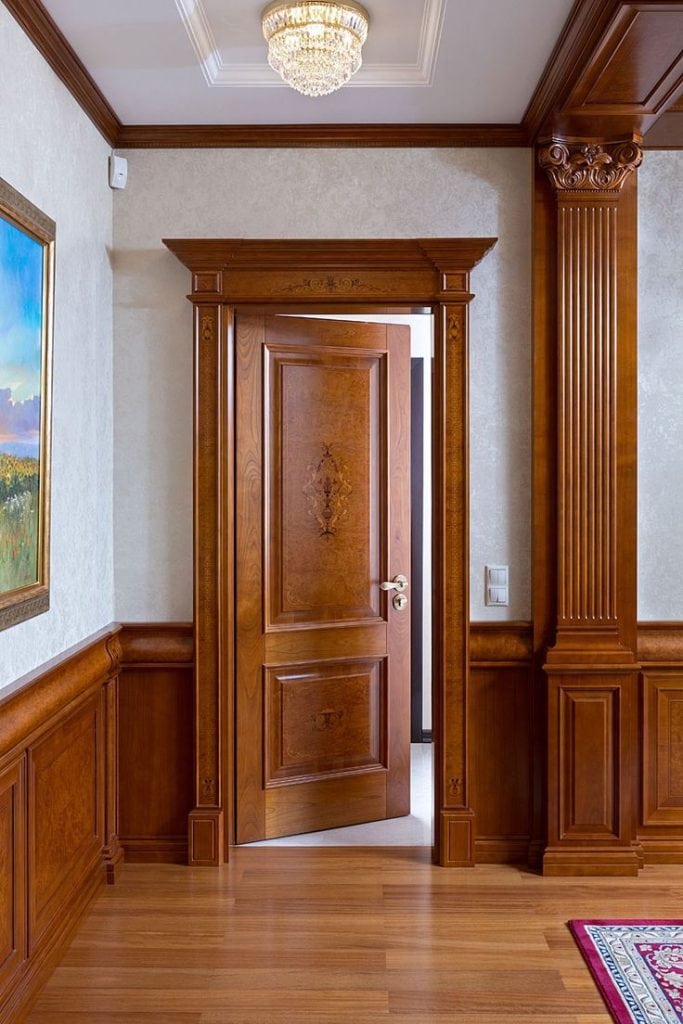
Interior Door Frame and Jamb Replacement
Interior doors don’t face the same weather exposure as entry doors, but the frame and jambs still take daily wear—especially in high-traffic areas. If a jamb is split, the frame is twisted, or the opening has shifted over time, a new interior slab alone won’t solve the problem. Replacing the interior door frame and jamb creates a straight, stable opening so the door swings smoothly, closes cleanly, and latches the way it should.
Common reasons homeowners replace interior frames and jambs:
- Cracked or split jambs around the strike plate or hinges
- Loose, stripped hinge screws or repeated hinge-side failure
- Doors that rub the jamb or floor due to a shifted/out-of-square frame
- Pet damage, moisture swelling (bathrooms/laundry areas), or rot at the base
- Hollow-core door upgrades that require a more solid, better-aligned frame
- Remodeling changes that call for a new prehung unit and fresh trim lines
What the work typically includes:
We remove the existing casing/trim as needed, take out the damaged frame, and evaluate the rough opening for alignment. Then we install a new interior frame/jamb set (often as part of a prehung door system), shim it plumb and square, and verify consistent reveal gaps so the door closes quietly and latches reliably. Finally, we reinstall or replace trim and—because we’re painters—finish the casing and jamb so everything looks clean and intentional rather than “touched up.”
Our Door Replacement Process at Matthews’ Painting Company
We keep door replacement simple, clear, and professional. Our goal is to make the project feel easy—no confusion, no surprise steps, and no sloppy finish details.
Step 1: Measurement and evaluation
We start by inspecting the existing door and frame. We check for:
- frame integrity and rot
- squareness of the opening
- hinge alignment
- threshold condition
- weatherstripping performance
- For interior doors, we also check the jamb legs and head for twist, hinge-side damage, strike alignment, and whether the opening has shifted with settling.
This evaluation helps determine whether you need:
- a slab-only door replacement (keeping the existing frame), or
- a prehung door replacement (new door + new frame)
- For interior doors with jamb damage or alignment issues, a prehung replacement is often the cleanest long-term fix.
Step 2: Door selection guidance
We’ll help you choose the right combination of:
- material (wood, fiberglass, steel)
- insulation level
- glass options (clear, frosted, decorative)
- hardware style and finishes
- security features
- swing direction and sizing considerations
- We’ll also help you choose the right door style (hollow-core vs. solid-core), jamb depth, and casing/trim profile to match your home.
Step 3: Removal and prep
We remove the existing door safely and protect the surrounding surfaces. If the frame is being replaced, we carefully remove trim as needed and prepare the rough opening.
Step 4: Installation and sealing
This is where quality matters most. We ensure the door is level, plumb, and square, with consistent reveal gaps, smooth operation, and a properly sealed threshold. We install or reinstall trim and ensure the door closes cleanly and latches securely. For interior frames and jambs, we focus on straight shimming, quiet operation, and perfect latch alignment—no rubbing, no bounce-back, no uneven gaps.
Step 5: Finishing touches
Because we’re Matthews’ Painting Company, we understand how much the finish matters. We can prime and paint the door and trim so the final result looks intentional—not “patched together.” A clean finish elevates the entire replacement.
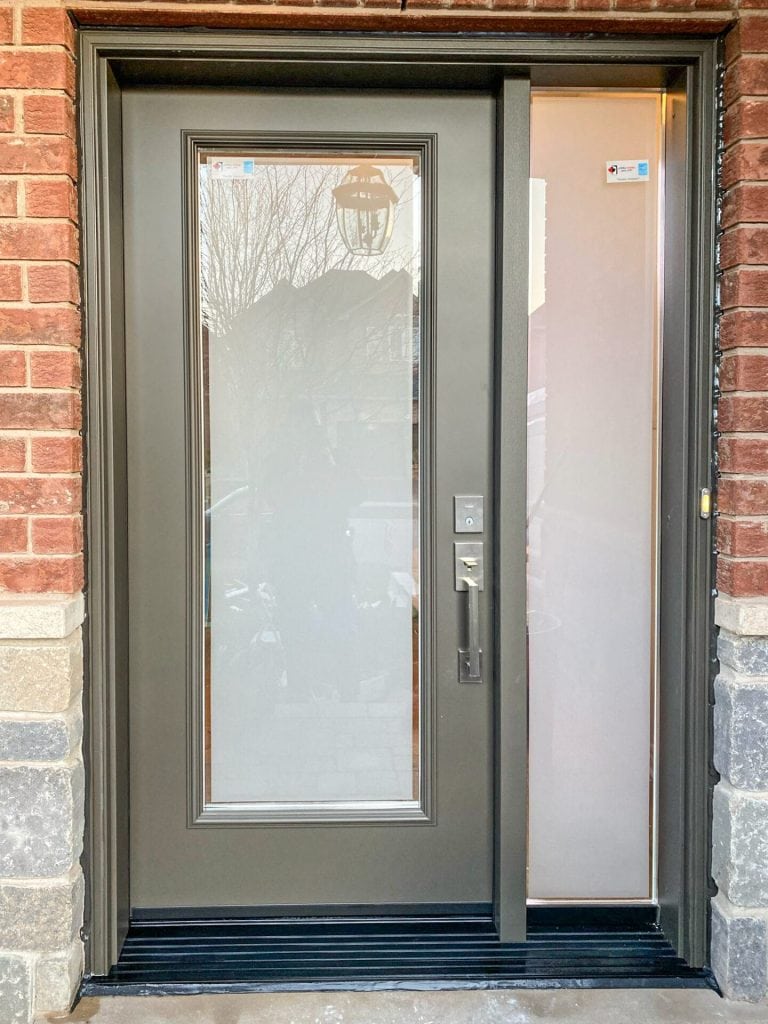
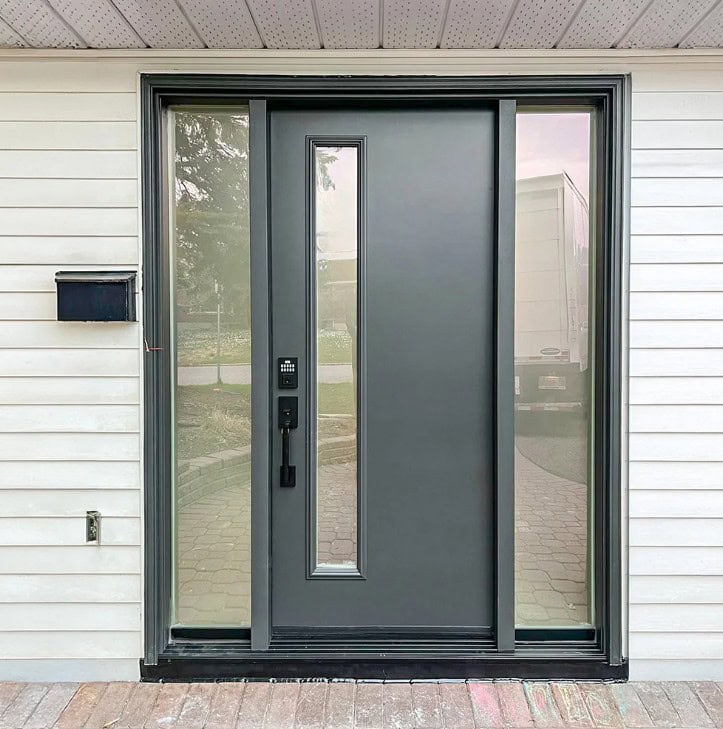
Door Replacement Options: Slab vs. Prehung, Materials, and Styles
Not all door replacement projects are the same. Choosing the right replacement type is key to durability and performance.
Slab Door Replacement (door only)
A slab replacement involves replacing the door panel while keeping your existing frame. This can be a good option when:
- The frame is in excellent shape
- The opening is square
- Hinges and strike locations can be matched
It can be more budget-friendly, but it depends heavily on the condition and alignment of what’s already there. For interior doors, slab-only replacement works best when the jambs are solid and the door is failing mainly due to damage or style—not frame alignment.
Prehung Door Replacement (door + jamb)
A prehung door is already mounted on a new jamb. This is often recommended when:
- the jamb is damaged, soft, or out of square
- you want a smoother, more airtight fit
- you’re upgrading the full system for performance and security
Prehung units typically provide the best long-term results—especially for Front Door Replacement projects. They’re also ideal for interior openings with split jambs, crooked reveals, or repeated latch/hinge issues.
Material choices
Fiberglass doors
Great balance of durability, insulation, and style options. They can mimic wood grain and resist warping and dents.
Steel doors
Strong, secure, and often cost-effective. Insulated steel doors can be energy efficient, though they may dent under heavy impact.
Wood doors
Classic and beautiful, with unmatched natural character. Wood may require more maintenance and be less forgiving in harsh moisture conditions if not properly protected.
Style and glass upgrades
Door replacement is also a chance to customize your entry:
- decorative glass inserts
- frosted glass for privacy
- sidelights to brighten the foyer
- transoms for a taller, more dramatic look
Why Professional Door Replacement Matters
It’s tempting to treat a door as a simple swap. But a door that isn’t installed correctly can cause ongoing issues: drafts, sticking, water intrusion, or misaligned locks. Professional installation is about precision.
Here’s what a pro installation helps ensure:
- Correct alignment so the door opens and closes smoothly
- Tight, even gaps around the slab for insulation and appearance
- Proper threshold setup to prevent leaks and drafts
- Secure anchoring for safety and durability
- Reliable latching and deadbolt alignment
- Long-lasting sealing to protect the opening from moisture
A front entry door is vital because it’s exposed to sun, rain, humidity, and temperature swings. A properly installed system is better able to withstand real-world conditions.
Door Replacement Cost: What Impacts Pricing?
Homeowners understandably want to know what affects Door Replacement Cost. While every home is different, pricing usually depends on a few consistent factors.
1) Door type: slab vs. prehung
A slab-only replacement can cost less in labor and materials if the frame is in great condition. A full prehung replacement typically costs more but often delivers better performance and fewer long-term issues.
2) Material and construction
Door pricing varies widely based on:
- wood vs. fiberglass vs. steel
- insulation rating
- reinforced lock and hinge areas
- durability features and warranties
3) Size and configuration
Standard sizes are simpler. Costs increase with:
- custom sizing
- double doors
- sidelights or transoms
- specialty shapes and glass designs
4) Frame and opening condition
If the existing opening has:
- rot
- water damage
- structural movement
- out-of-square framing
…then additional preparation may be required before installation. For interior doors, pricing can also be affected by how much trim/casing needs to be removed and replaced, whether the jamb depth must match thicker walls, and how much alignment correction the rough opening requires.
5) Hardware and security upgrades
Hardware can range from basic to premium:
- handlesets and deadbolts
- smart locks
- multi-point locking systems
Upgrades add cost but can significantly improve security and usability.
6) Finishing work (paint or stain)
Finishing is often overlooked. A beautiful door can look “unfinished” if the trim, jamb, and surrounding surfaces aren’t properly painted or sealed. Our painting background helps ensure the final product looks cohesive and high-end.
If you’re comparing estimates, make sure you’re comparing the same scope: door type, frame replacement, trim work, sealing, hardware, and finish.
A well-done Door Replacement improves how your home looks, feels, and functions every day. From better insulation and smoother operation to stronger security and refreshed curb appeal, replacing a worn or outdated door is one of the most practical upgrades you can make. If you’re considering a Front Door Replacement and want clear guidance on materials, style options, and Door Replacement Cost, Matthews’ Painting Company is here to help. We bring careful installation and a painter’s eye for finish details—so your new door doesn’t just work better, it looks better too.
Frequently Asked Questions
A slab replacement replaces only the door panel, leaving the existing frame. A prehung Door Replacement includes a new door mounted in a new frame. Prehung replacement is often best when the frame is damaged, out of square, or you want the best seal and performance.
If you see rot, soft wood, water staining, shifting, or major alignment issues—or if the door still doesn’t fit properly even after adjustments—your frame may need replacement. We inspect the full opening and recommend the option that makes the most sense. For interior doors, recurring latch problems, split jambs near the strike plate, or a door that won’t stay closed are also strong signs that the frame/jamb should be replaced.
For Front Door Replacement, the primary cost drivers are typically the door material, whether you’re replacing the frame, the size/configuration (e.g., sidelights), and the condition of the existing opening. Hardware upgrades and finishing work can also affect the total Door Replacement Cost.
Yes. As Matthews’ Painting Company, finishing is part of what we do best. We can paint the door, trim, and surrounding areas so everything looks consistent and professionally completed.
It can—especially if your current door is warped, poorly sealed, or has failing weatherstripping. A properly installed insulated door system can reduce drafts and improve comfort, which may help lower heating and cooling costs at the entryway.
Service Area
Professional Residential Painting and Staining Contractor for:
Professional Residential Painting and Staining Contractor for Kosciusko County , Noble, Wabash, and Whitley Counties.
If your area is not listed, please contact us.