


Commercial Power Washing: Caring for Your Building’s Exterior
October 9, 2026
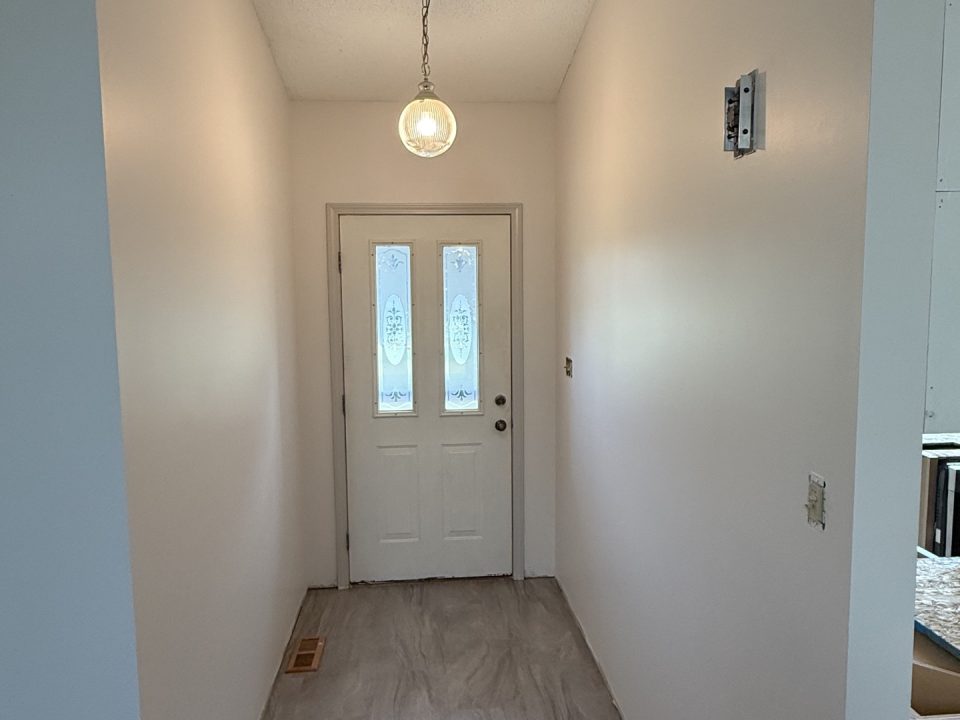
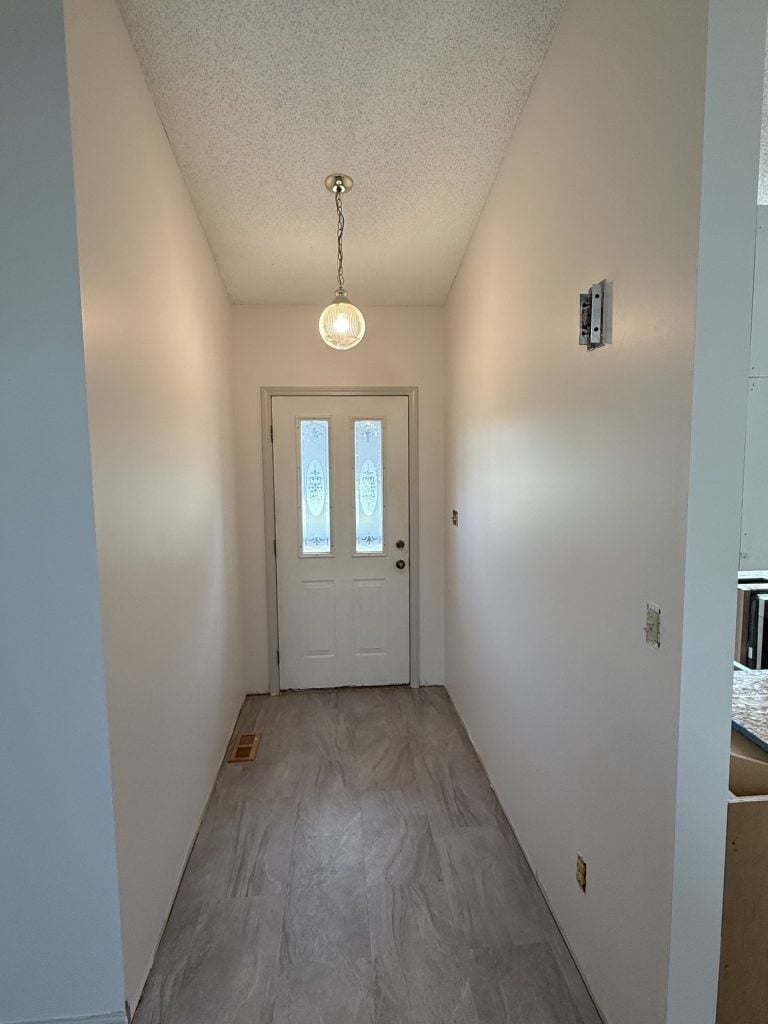
When you walk into your business each day, it’s easy to stop noticing the scuffs along the hallway or the chipped paint around a busy doorway. But someone visiting for the first time may see those details right away.
Winter can be a good time to take a closer look at your commercial interior and decide what needs attention. If your business has a quieter stretch during the colder months, you may have an opportunity to schedule painting and repairs. If winter is your busiest season, you can still use this time to plan work for a more convenient date.
At Matthews’ Painting Company, we help business owners and property managers think through those updates, from choosing which spaces to paint to planning the work around how the building is used.
Start With the Areas That Get the Most Use
A commercial painting project doesn’t have to include every room in your building. Often, the areas that see the most traffic are the ones that would benefit most from attention.
Take a walk through your space, starting where customers, visitors or employees enter. Look for scuffed walls, chipped trim, visible patches and surfaces that are difficult to keep looking clean.
Areas worth considering include:
- Reception areas and lobbies: A clean, well-maintained entrance helps make a good first impression.
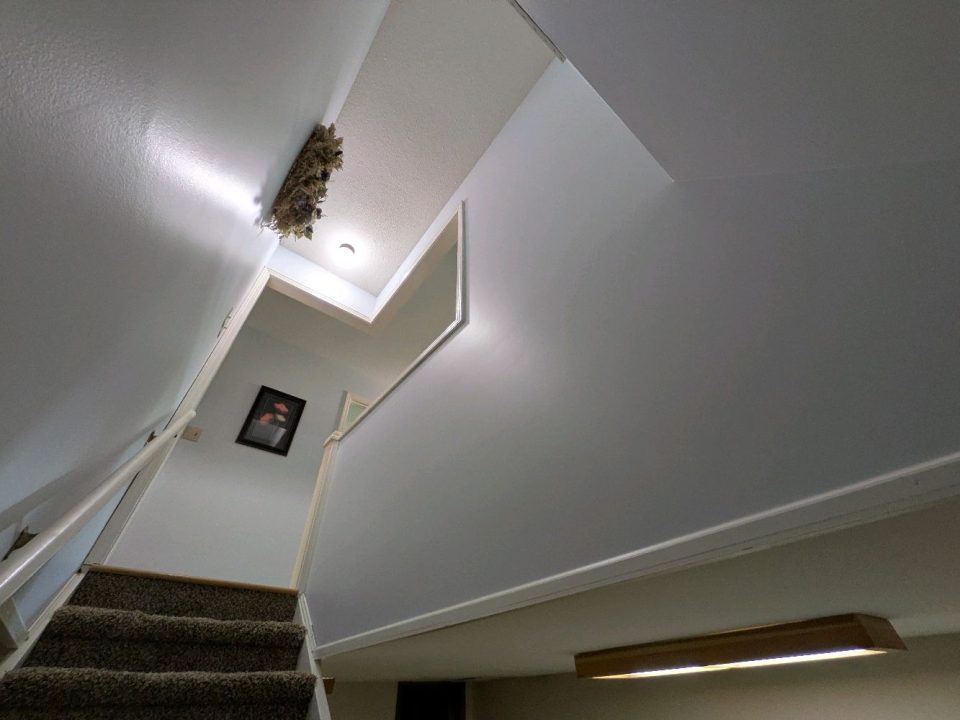
- Hallways and doorways: Frequent traffic, deliveries and equipment can leave marks on walls and trim.
- Conference rooms and offices: Fresh paint can address wear or help a space feel more consistent with your business.
- Employee break rooms: These shared spaces often get heavy daily use.
- Customer-facing areas: Waiting rooms, retail spaces and service counters deserve a closer look because visitors spend time there.
Refreshing a few well-chosen areas can make a noticeable difference without taking on the entire building at once.
Plan the Painting Around Your Business
One of the first questions business owners ask is, “How will this affect our workday?”
That’s a conversation to have early. Every building operates differently, and the painting plan should account for the people who use it.
Before scheduling, consider which rooms must stay available, when customer traffic is heaviest and whether employees can temporarily use another area. Furniture, equipment, deliveries and building access also need to be part of the discussion.
For some businesses, completing one area at a time may be the most practical approach. Others may have a scheduled closure or a less busy period that provides a useful window for the work.
At Matthews’ Painting, we discuss work areas and project timing with you so you know what to expect and can prepare your team.
Take Care of Repairs Before Applying Fresh Paint
Paint can freshen up a room, but dents, holes and damaged surfaces need attention first.
Commercial walls take plenty of everyday wear. Chairs bump against them, carts brush past corners and signs or shelving leave holes when they are moved. Painting over those issues can leave the room looking unfinished.
As you review your space, make note of areas that may need drywall repairs or other preparation. Addressing them as part of the painting project helps create a more even, finished appearance.
It’s also helpful to point out recurring trouble spots. If a wall near a doorway gets marked constantly, that information can help guide the choice of coating for that area.
Choose Colors That Work for Your Space
You don’t need to follow the latest paint trend to give your business a fresh look. Start with the space itself.
What flooring and furniture will remain? How much natural light does the room receive? Are there brand colors you want to incorporate? What do you want customers and employees to feel when they walk in?
A reception area may benefit from a welcoming color that works with your signage and furnishings. An office may need a neutral backdrop that ties several rooms together. A retail space may call for colors that support the displays without competing with them.
Lighting matters, too. A color that looks right on a small sample can look different across a full wall under your building’s lighting. Reviewing samples in the actual space can help you make a more confident decision.
Matthews’ Painting uses Benjamin Moore and Sherwin-Williams paints, with product selection based on the surfaces and needs of the project.
Prioritize the Work to Fit Your Budget
If several areas need attention, start by identifying the ones with the most visible wear or the greatest impact on daily use.
You might begin with the lobby and main hallway, then schedule offices or meeting rooms later. Or you may choose to refresh an employee space that has been overdue for improvements.
Discussing the full scope upfront can help you decide what to complete now and what to plan for another phase. It also gives you a clearer picture of the work involved before setting a schedule.
Put Commercial Interior Painting on Your Winter Calendar
You know your business’s schedule best. Whether winter offers a convenient time to paint or simply a chance to plan ahead, taking stock of your interior now can help you avoid a rushed decision later.
Walk through your building, make a list of the areas that need attention and think about when the work would fit best. A few targeted updates may be all it takes to make the space feel cleaner, more welcoming and better cared for.
Planning an interior painting project for your business? Contact Matthews’ Painting Company to request an estimate and discuss your space, priorities and schedule.