


How to Safely Use a Ladder on Stairs (And Why Most Homeowners Shouldn’t)
October 3, 2026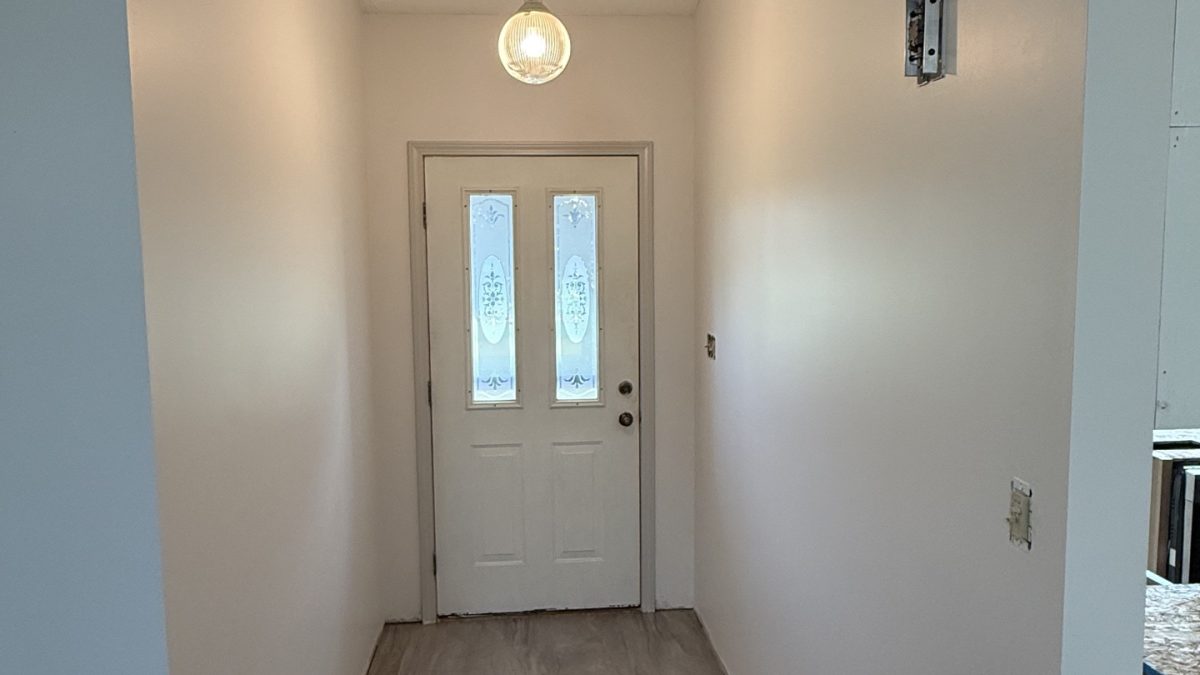
Hallways and stairways might not be the first spaces you think about painting, but they can be some of the hardest-working areas in your home. Between everyday foot traffic, hands brushing against walls and furniture being carried through, these spaces can collect their share of marks and scuffs.
They can also feel more enclosed than the rooms around them, especially where natural light is limited. A lighter wall color can help make those areas feel brighter and more open.
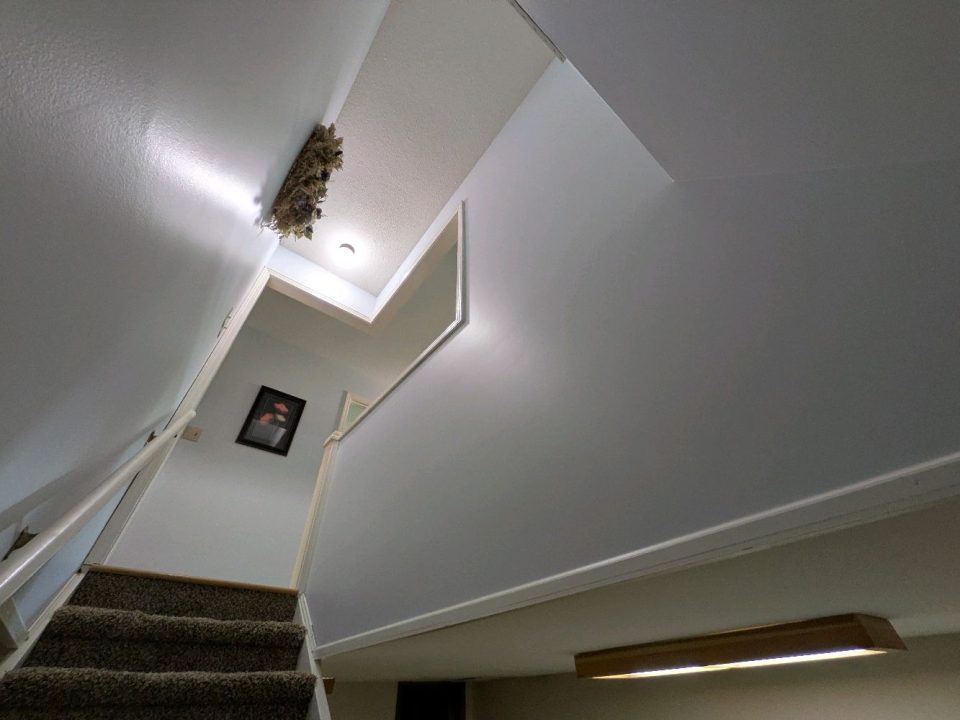
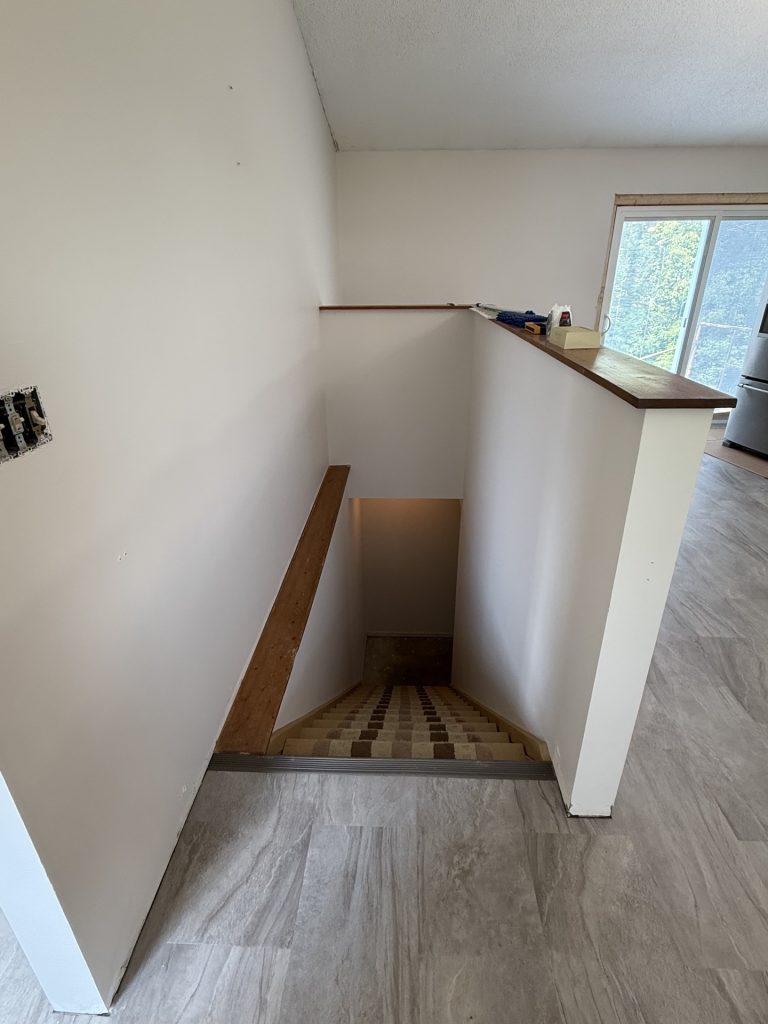
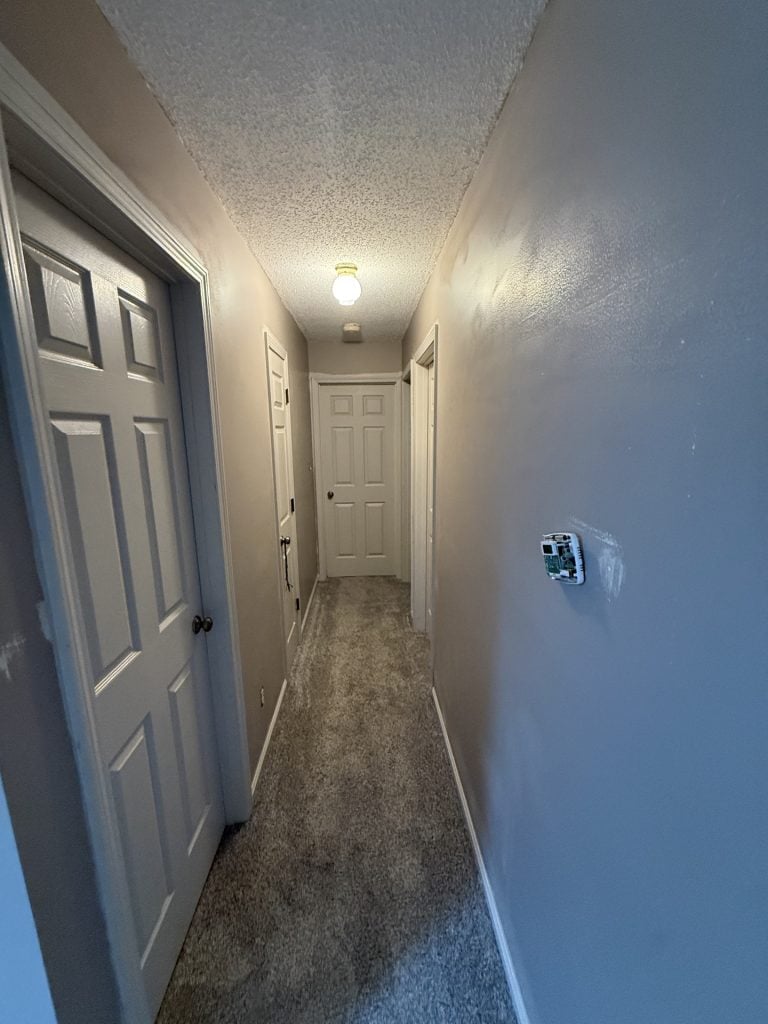
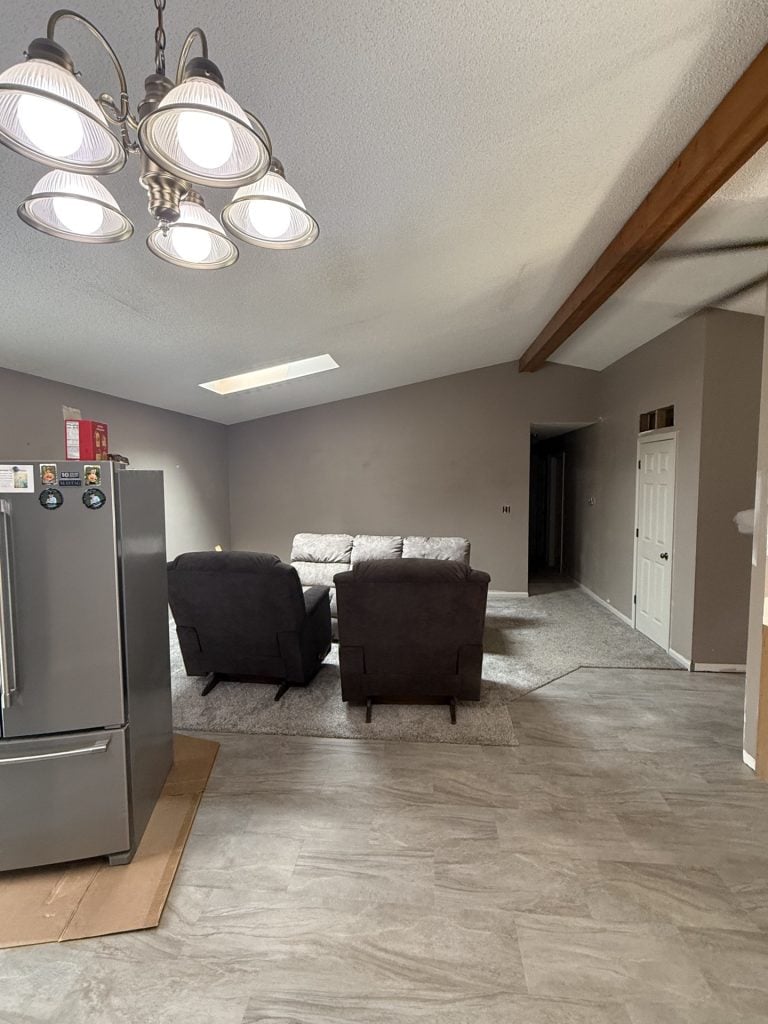
Matthews’ Painting recently completed a multi-room interior painting project in Albion, Indiana, including the living room, kitchen, hallway and stairway leading to the basement. The update extended through several everyday living spaces, including those connecting areas that are easy to overlook.
Preparing and Protecting the Work Areas
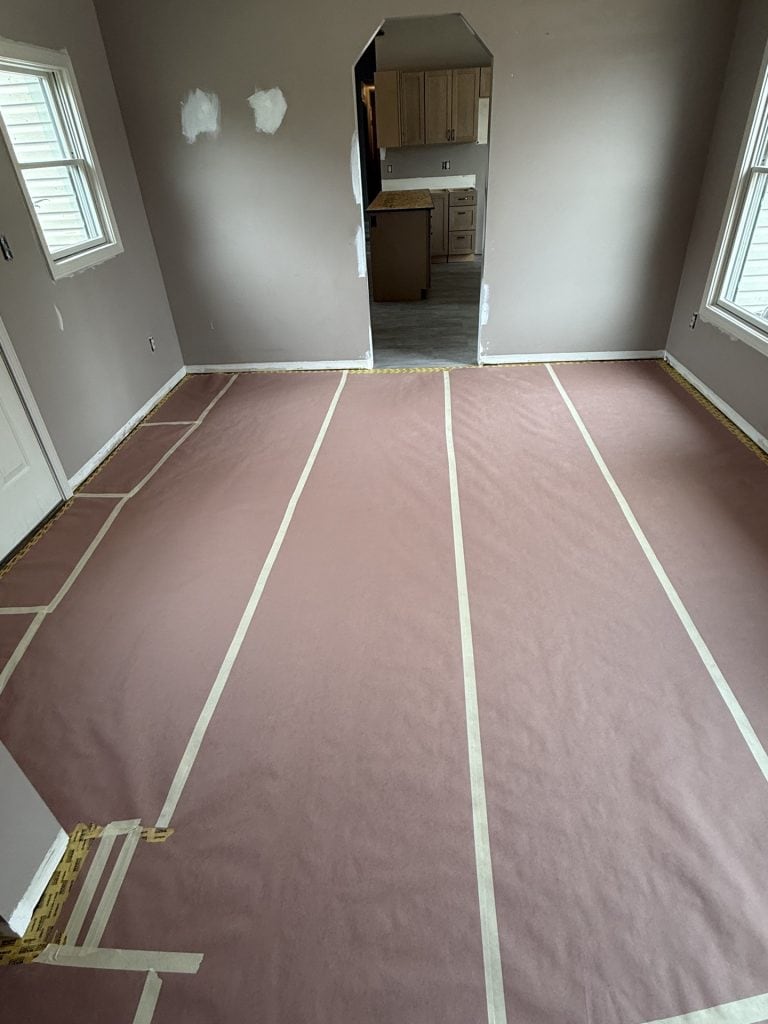
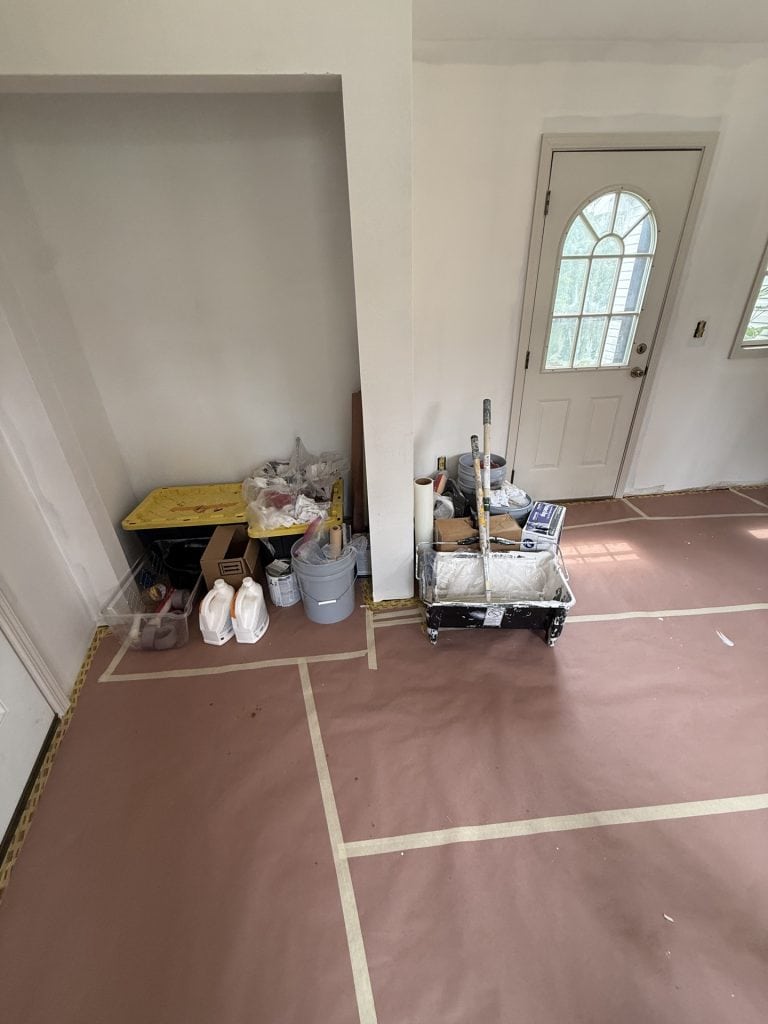
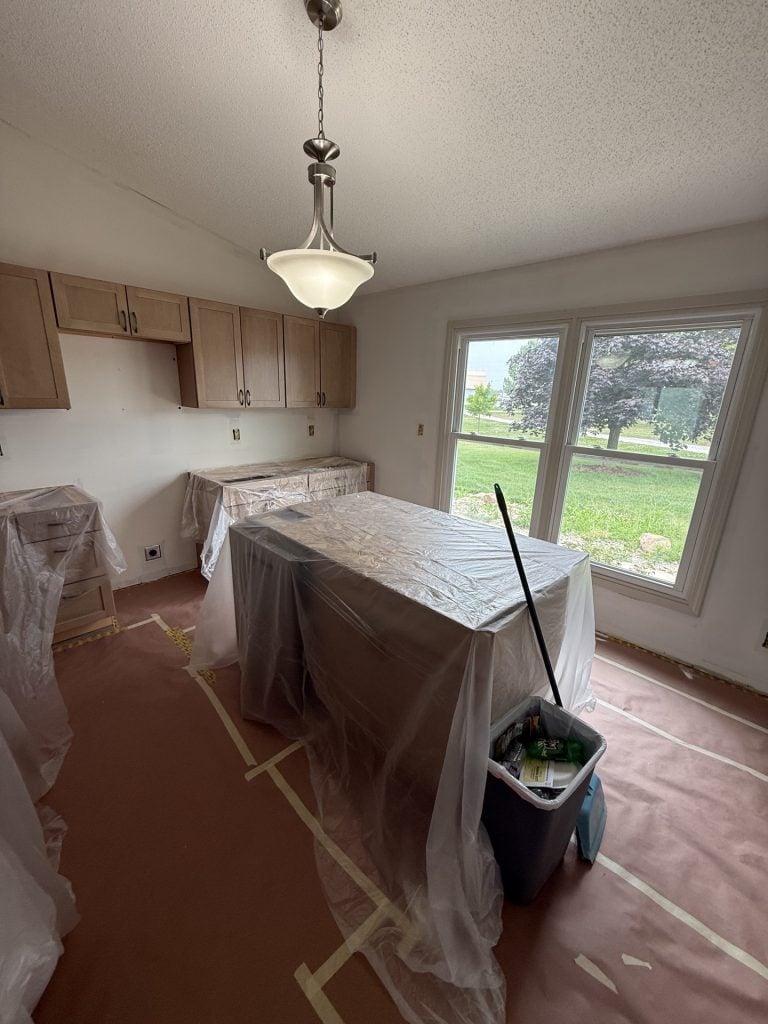
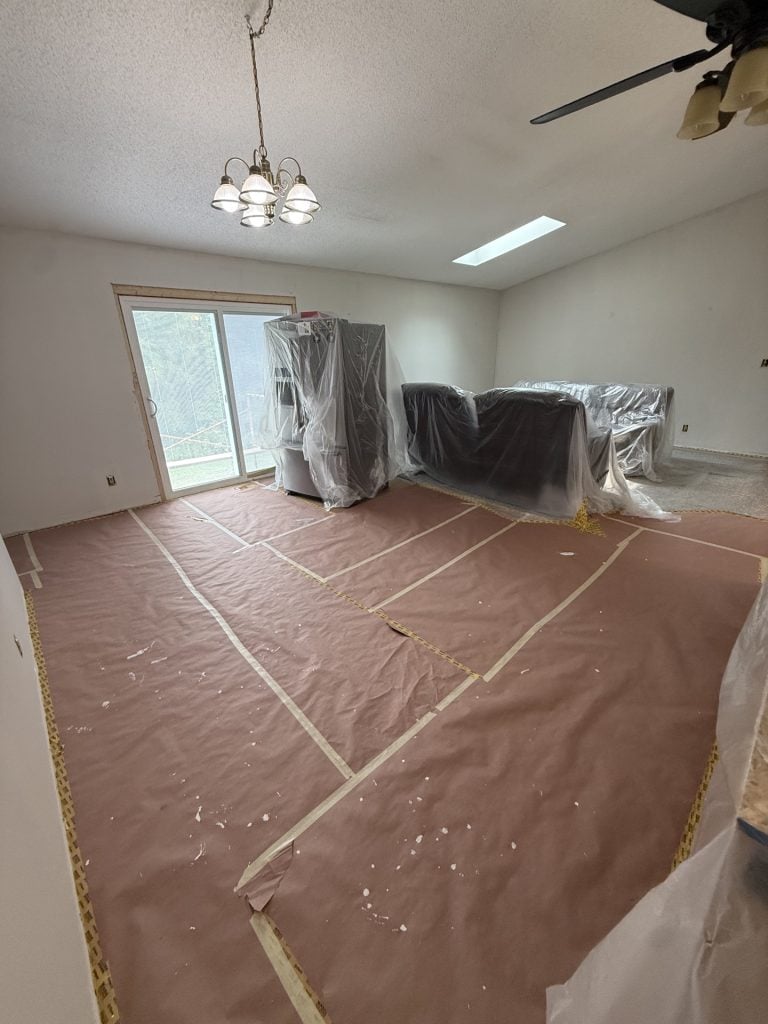
Before painting began, our crew protected floors and furniture using our POPP Standard, which stands for Protection of Personal Property. The progress photos show floor coverings carefully fitted and secured along the seams and edges to help keep protection in place throughout the work.
Our team also patched minor wall imperfections before applying two coats of paint to the walls. Taking care of those small damaged spots first helps prepare the surface for a more even finished appearance.
Protecting the home and preparing the walls are important parts of the project, whether we’re painting a large living room or a narrow hallway.





Choosing Interior Paint for Everyday Wear
When planning a painting project, it’s worth considering how each space is used. A hallway that children travel through all day or a stairway used to carry laundry, storage bins and other items may need more frequent cleaning than a less-used room.
For these areas, color is only one part of the decision. A durable scuff-resistant paint with good washability can make it easier to clean everyday marks without wearing away the finish.
Paint sheen matters, too. Different finishes offer different appearances and cleaning characteristics, so the right choice depends on the room, the condition of the walls and how much use they receive.
Our team can help you consider those needs when selecting paint for your interior project.
Helping Enclosed Spaces Feel Brighter
Hallways and basement stairways don’t always have the windows or natural light found in a living room or kitchen. In those spaces, wall color can make a noticeable difference in how the area feels.
The light, neutral walls shown in the finished Albion project help give the connecting spaces a brighter appearance. Along the basement stairway, the lighter walls also provide contrast with the existing wood handrail and trim.
A lighter color won’t replace good lighting, but it can help an enclosed area feel less dark. When choosing a color, consider how it looks under the lights you normally use and alongside the flooring and woodwork that will remain.
Look at the Whole Path Through Your Home
If you’re planning to paint your living room or kitchen, take a look at the spaces leading into and out of those rooms, too. A worn hallway or marked-up stairway may become more noticeable beside freshly painted walls.
That doesn’t mean every room needs to be included. It simply helps to consider the adjoining areas before setting the scope of your project.
As this Albion home shows, a multi-room painting update can include both the places where you gather and the spaces you pass through every day.
Contact Matthews’ Painting to schedule your free estimate and talk with our team about your interior painting plans.