

Cabinet Painting vs Replacement for Columbia City Kitchens
September 29, 2026
How to Move Furniture Without Damaging Your Floors
October 3, 2026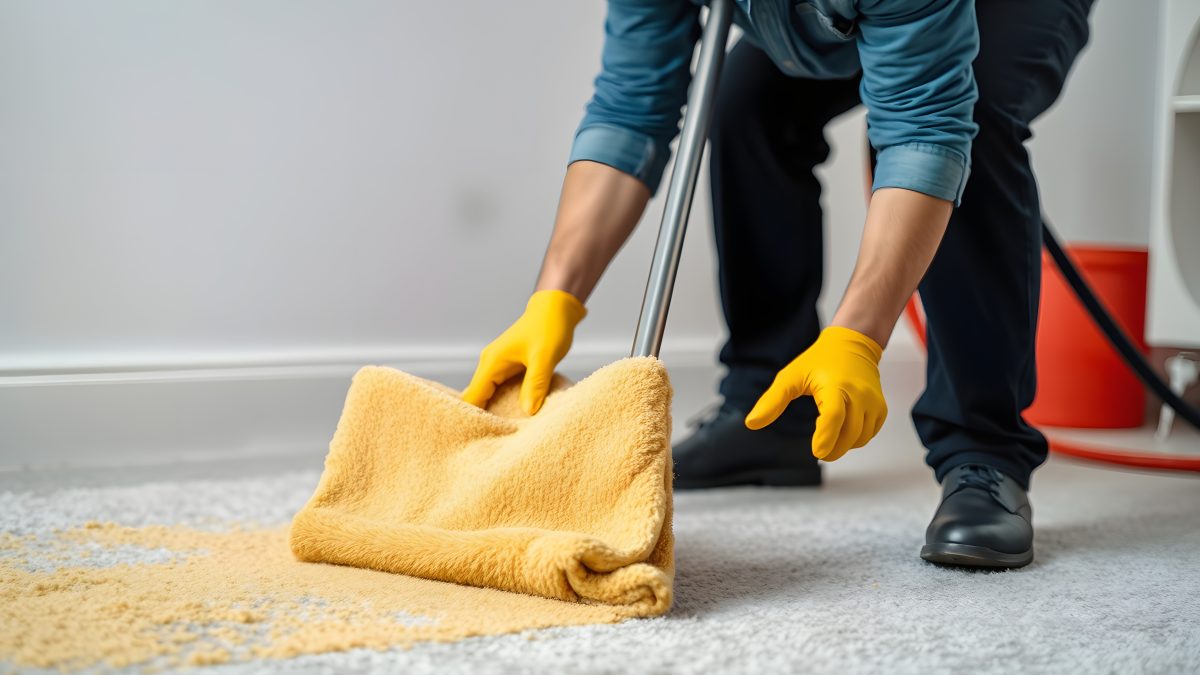
Whether you are tackling a DIY painting project or moving into a home where the previous owner wasn’t as careful as they should have been, finding dried paint on stained trim, doors, cabinets, or carpet can be frustrating. Knowing how to remove dried paint can save these areas of your home.
The good news? If the paint is water-based (latex or acrylic)and the surface underneath has an oil-based finish, there’s a simple method professional painters have used for years.
At Matthews’ Painting Company, we train every new painter how to safely remove dried paint without damaging the surrounding surfaces. Here’s how it’s done.
Before You Begin: Test First
The key ingredient in this process is denatured alcohol, which softens dried water-based paint. However, denatured alcohol can also affect some water base or plastic finishes.
Always test a small, hidden area first. If the finish becomes dull, soft, sticky, or gummy, stop immediately. This method is only recommended for surfaces that have a base coat of:
- Oil-based polyurethane or varnish
- Oil-based paint
If your trim, doors, or cabinets have a water-based polyurethane or water-based paint finish base coat, denatured alcohol can damage the finish. In those cases, warm or very hot water may be a safer first option.
Supplies You’ll Need
Before getting started, gather:
- Denatured alcohol
- Clean white rags
- Disposable gloves
- A 5-in-1 painter’s tool or stiff putty knife
- Small nylon or vinyl brush
- Utility knife or snap-off razor knife
- Needle-nose pliers (for carpet paint drips that have dried)
Removing Dried Paint from Carpet
Small paint footprints or smears are usually the easiest to remove.
Instead of pouring denatured alcohol directly onto the carpet, apply it to a clean rag first. This is important because saturating the carpet can damage the carpet backing.
Once your rag is damp:
- Rub the paint from several directions.
- Apply firm pressure.
- Frequently rotate to a clean section of the rag.
- Continue until the paint begins transferring to the cloth.
As the alcohol reactivates the dried latex or acrylic paint, you’ll gradually see the stain disappear.
For Paint Trapped in Carpet Fibers
Sometimes a little paint remains deep within the carpet.
A soft nylon brush dipped lightly in denatured alcohol can help loosen the remaining paint. Use gentle back-and-forth strokes, being careful not to fuzz or damage the carpet fibers. Then take a clean rag and blot or wipe the area.
Removing Thick Paint Drips from Carpet
Large dried paint drips require a different approach.
Rather than digging into the carpet, carefully:
1. Grab only the very top of the paint drip with needle-nose pliers.
2. Pull the dried drip upward stretching the carpet.
3. Trim only the paint at the base using a sharp utility knife cutting just below the tip of the pliers.
The goal is to remove the paint while cutting as little carpet fiber as possible.
Once the thick drip has been removed, finish cleaning the area with denatured alcohol on a rag if needed.
Removing Dried Paint from Stained Trim and Doors
If your stained trim or doors have an oil-based polyurethane or varnished finish, denatured alcohol works extremely well for removing dried latex or acrylic paint.
Apply denatured alcohol to a rag and rub firmly over the dried paint.
You’ll often see the dried paint begin lifting almost immediately.
Cleaning Paint from Corners and Crevices
Paint loves to settle into corners and detailed trim profiles.
Wrap your rag tightly around a 5-in-1 painter’s tool or putty knife, then use steady pressure to clean along tight edges.
For stubborn paint inside cracks or grooves, carefully use the edge of the tool to loosen the paint before wiping it away.
Removing Paint from Wood Grain
Wood grain can hold tiny traces of dried paint that don’t always wipe away easily.
A small nylon brush dipped in denatured alcohol can work the softened paint out of the grain without damaging the surrounding finish.
Once loosened, wipe the area clean with a fresh rag.
Can This Method Be Used on Cabinets?
Yes—provided the cabinets have an oil-based painted finish or oil-based polyurethane or varnish.
The same process works on:
- Painted cabinets
- Stained cabinets
- Interior doors
- Trim
- Baseboards
- Window trim
Again, always test an inconspicuous spot before cleaning an entire surface. Remember, if the base coat gets sticky or tacky, then stop.
Important Safety Tips
Denatured alcohol is a solvent and should always be used carefully.
- Wear protective gloves.
- Work in a well-ventilated area.
- Keep away from heat or open flames.
- Never pour denatured alcohol directly onto carpet.
- Always test the surface before proceeding.
Avoid Turning a Paint Drip Into Permanent Damage
Removing dried paint sounds simple, but using the wrong cleaner—or using the right cleaner on the wrong finish—can permanently damage woodwork, cabinetry, or flooring.
At Matthews’ Painting Company, our painters are trained to remove paint safely while protecting the finishes underneath. Whether you need help correcting a DIY project, restoring stained woodwork, or completing a professional interior painting project, we’re here to help.
Contact us today for expert painting, cabinet refinishing, drywall repair, and restoration services throughout northern Indiana.