


When to Paint Your Home’s Exterior in Elkhart County
September 16, 2026
What Drives the Cost of an Exterior Repaint in Goshen
September 21, 2026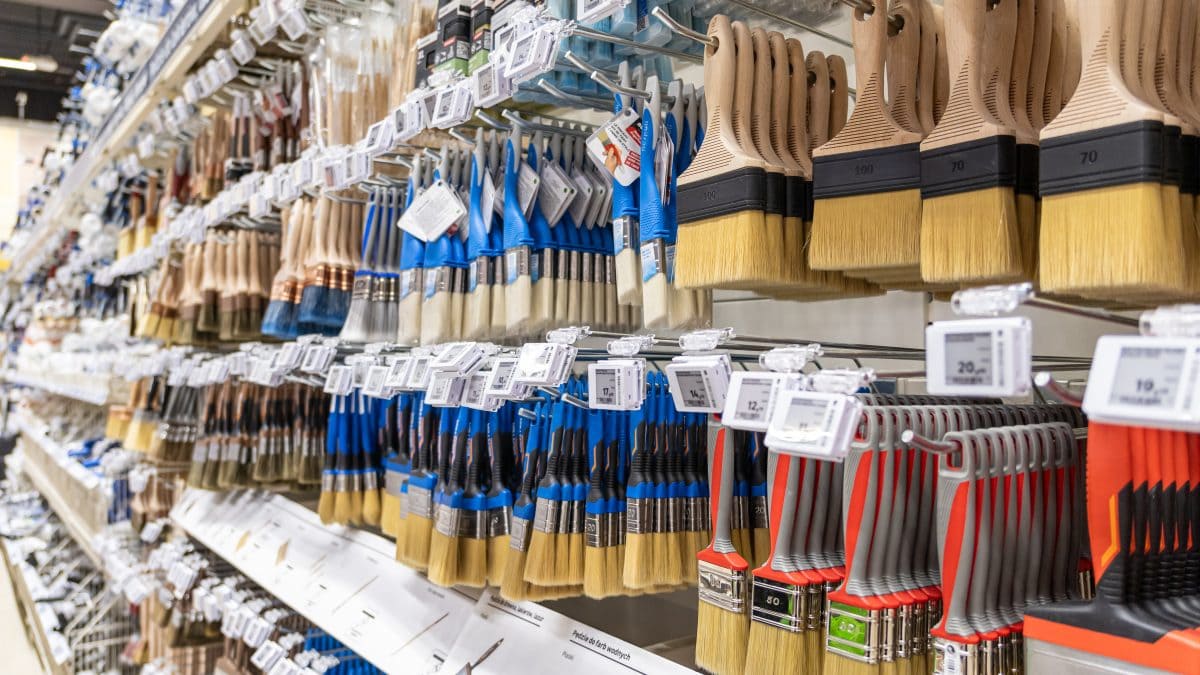
Professional painting is not just about applying color to a surface. It is about preparation, safety, efficiency, and using the right tools at the right time. At Matthews’ Painting Company, every new painter is trained with the same foundational principle: quality results start with proper tools and proper training.
As part of that training, each new employee is issued a standard set of painting tools. These are not random items. Every tool serves a specific purpose and plays a role in delivering clean lines, smooth finishes, and professional results. Whether you are a homeowner curious about how professionals work or a DIY painter wanting to improve your outcomes, understanding these tools is a valuable first step.
Why Tools Matter in Professional Painting
Professional painters encounter a wide range of surfaces, materials, and conditions. From drywall repairs and trim work to exterior scraping and cabinet finishes, every task requires precision. Using the wrong tool often leads to wasted time, safety risks, and poor results.
Professional painters rely on consistency. The tools we issue at Matthews’ Painting Company are chosen because they are reliable, efficient, and proven in real job-site conditions. These tools help painters work safely, solve problems quickly, and maintain the high standards our customers expect.
Professional Painter Tools:
Watch Matthews’ Painting Company owner Jason Matthews discuss professional painting tools here.
Putty Knife
A basic putty knife is essential for spackling nail holes, repairing trim, and smoothing wall imperfections. This tool is used constantly during preparation and touch-up work. Proper surface repair is one of the most important steps in achieving a professional finish.
Utility and Snap Knives
Utility knives and snap knives are used for opening materials, cutting plastic, trimming masking tape, and handling small precision cuts. While they are not used continuously, they are critical when needed.
Window Scraper
Window scrapers are primarily used on exterior jobs to remove paint from glass. This is especially common on older homes where previous paint applications may have overlapped onto window panes.
Extension Plugs and Power Access
Some older cottages and homes do not have grounded outlets. While safety is always a priority, certain situations require the careful use of extension plugs to power vacuums or sprayers. These tools are used selectively and responsibly.
Bucket Hook
A pot hook allows a paint bucket to hang securely from a ladder rung. This improves efficiency and safety by keeping paint within reach while maintaining balance on the ladder.
Pliers, Vice Grips, and Hammer
Pliers and vice grips are problem-solving tools that handle unexpected jobsite needs. A hammer is essential for minor trim adjustments and general repairs.
Nail Set
A nail set is used to sink protruding nails below the surface so they can be filled with spackle. This is especially common in older homes where nail pops occur.
Marking, Measuring, and Precision Tools
Professional painters must communicate clearly and work accurately.
- Sharpie and pen for labeling paint cans and materials.
- Carpenter pencil for circling drywall repairs.
- Allen wrenches and small screwdrivers for removing towel bars, toilet paper holders, and other bathroom hardware.
- Multi-head screwdriver for versatility on interior projects.
These tools support organization, accuracy, and efficiency throughout the job.
Safety Equipment Is Not Optional
Professional painting involves physical work and environmental exposure. Safety equipment protects painters and ensures long-term health.
Hearing Protection
Used during spraying, pressure washing, and other loud operations.
Goggles and Safety Glasses
Essential when pressure washing, scraping, or working overhead. Some painters prefer goggles, while others prefer safety glasses.
Respirator
Used during sanding and drywall repair to protect against dust particulates and solvent fumes.
Rubber Gloves
Worn when handling solvents or oil-based products to prevent skin exposure.
Shoe Covers
Always used during interior projects to protect customer flooring and maintain a clean work environment.
Brushes: The Heart of Professional Painting
Brush selection is one of the clearest differences between professional painters and casual painters. Each brush is chosen for a specific purpose.
Angled Wall Brushes
Two and one-half inch extra firm angled brushes are standard for wall work. These brushes provide control and clean cut lines. New painters typically start with this size before moving up to larger brushes.
Black China Bristle Brushes
These brushes are reserved for oil-based primers and finishes. They are easily identified by their darker bristles and are never used interchangeably with water-based brushes.
Smaller Detail Brushes
Used for tight areas where larger brushes cannot reach. These brushes are primarily used on walls and small touch-up areas.
Silver Tip Brushes
Silver tip brushes are made from nylon filaments and are softer than blended brushes. They are used for trim, cabinetry, and doors where a smooth, refined finish is required.
3-inch Block Brushes
3-inch block brushes are larger and are commonly used on ceilings, water-based finishes, and exterior staining projects.
Deck and Stain Brushes
Used for oil-based semi-transparent stains on decks and log homes. These brushes are typically purchased in bulk and used specifically for exterior finishes.
Wire Brushes
Wire brushes are used to remove loose paint on exterior surfaces and to assist in cleaning paintbrushes.
Additional Specialty Tools
- Paint scraper for exterior surface preparation
- Five-in-one tool for opening paint lids, scraping, and general utility tasks
- Dust brush for cleaning surfaces before painting
These tools support thorough preparation, which is one of the most important elements of a successful paint job.
Equipment Beyond the Typical Professional Painter Tool Kit
Some essential painting equipment is not issued individually but is maintained in company inventory. This includes roller frames, roller covers, roller pans, plastic sheeting, masking materials, and other job-specific supplies. These tools are standardized and managed to ensure consistency across every project.
Painting Like a Professional Takes More Than Paint
Professional painting is the result of training, discipline, and respect for the craft. Tools are an extension of that mindset. When painters are equipped properly, they can focus on technique, quality, and customer satisfaction.
At Matthews’ Painting Company, every tool has a purpose, and every painter is trained to use them correctly. That commitment to preparation and professionalism is what allows us to deliver results that last.
If you are planning a painting project and want the confidence that comes with professional systems and skilled painters, our team is ready to help.
Now Booking Interior Residential & Commercial Projects
Fall and Winter are the perfect seasons for interior painting. Whether you’re freshening up trim at home or giving your business a more professional look, our skilled crew is here to help.
Schedule your free quote online anytime, 24/7 and explore our financing options for your next interior painting project.